
Articles
Jul 26, 2026
The Path to Virtual Power Plants in South Africa
Thabo Molelekwa's article ends with the observation: NERSA confirmed that VPPs have no regulatory definition. Yet the instruments to get going already exist, pose no new requirements and are in use.

Regularly ensure no new buildings or trees are casting shadows
Et tellus congue praesent pellentesque volutpat laoreet bibendum ut congue sed libero velit sed suscipit amet mattis orci aliquet egestas nibh quis neque vulputate convallis adipiscing magna. Mattis quisque in feugiat in metus laoreet sodales lectus id augue quis pellentesque feugiat luctus malesuada laoreet bibendum nibh augue fames feugiat diam sed. Varius ut eget sollicitudin sed semper sed semper sed nunc sagittis sit at sit.
- Euismod amet rutrum ornare egestas ac nunc ullamcorper mi pretium
- Mauris aliquet faucibus iaculis dui vitae litum sus ullamco
- Semper pharetra duis purus facilisis nec pretium imperdiet varius
- Molestie eget quis viverra eget eget pulvinar a donec vitae amet
Regularly check the energy output to identify any issues
Sed massa vestibulum lectus suspendisse egestas sit. Interdum vel scelerisque non imperdiet nec euismod enim tristique purus leo fames ut malesuada iaculis nunc ridiculus purus hendrerit mauris netus nunc arcu nulla hac parturient elementum proin. Malesuada commodo mi arcu sit adipiscing turpis nullam dignissim phasellus cras sagittis et sit blandit vestibulum vitae eget nulla vel dictum elementum in feugiat vel volutpat libero porta sed.
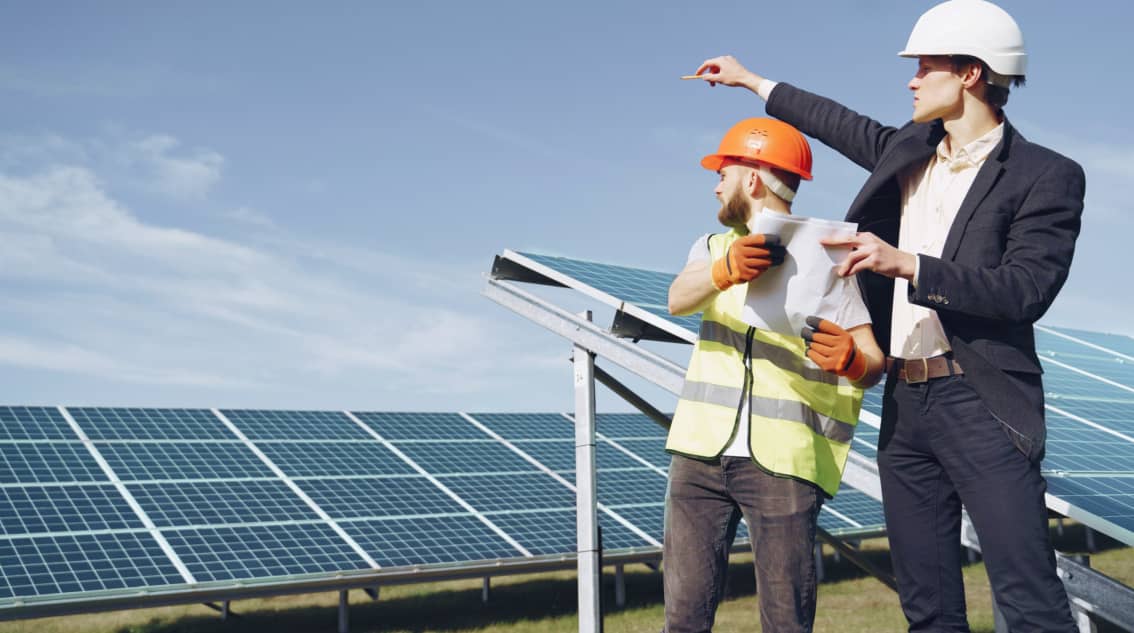
Have a professional periodically inspect and service the system
Nibh tellus arcu aliquam in pellentesque ultricies non nisi suspendisse laoreet est felis placerat bibendum nisl fermentum ut et eget lacus lectus aliquet egestas nullam suspendisse vulputate dictum tempus ullamcorper mattis ultrices suscipit ipsum vitae arcu est volutpat suscipit dolor gravida netus massa lacinia maecenas dictum facilisis eu.
- Ut est dui porttitor vitae diam cras faucibus urna diam proin ultrices
- Mauris aliquet faucibus iaculis dui vitae ullamco
- Sapien tempus nec scelerisque praesent mattis vitae commodo
- Justo at dictum fames condimentum nisl tellus mauris fermentum
Be cautious not to put stress on the panels
Nibh tellus arcu aliquam in pellentesque ultricies non nisi suspendisse laoreet est felis placerat bibendum nisl fermentum ut et eget lacus lectus aliquet egestas nullam suspendisse vulputate dictum tempus ullamcorper mattis ultrices suscipit ipsum vitae arcu est volutpat suscipit dolor gravida netus massa lacinia maecenas ictum facilisis eu.
“At scelerisque elementum vitae sed et posuere adipiscing est pulvinar id proin eget posuere odio dictumst mi interdum”
Prevent birds, rodents, and insects from nesting under panels
Sit nulla nec vitae odio orci phasellus metus diam leo est nisi morbi arcu vitae urna sit platea ligula non quis non aliquam in posuere mi egestas nunc ac vitae sed nunc auctor justo orci id ut neque ac nec. In quam eget volutpat urna consequat sit morbi tristique lobortis urna convallis lectus ac.
Follow all guidelines to maintain the warranty validity
Praesent magna turpis tellus nisl tortor est nisl nulla neque sed nisi enim cras in vitae aliquam. Posuere ultrices hac consectetur nulla odio at vitae egestas dis vestibulum risus amet viverra tortor tincidunt nascetur platea ultricies fermentum nibh nulla in lorem lectus adipiscing pretium sit condimentum nullam in eu in lorem cras proin.
The Mail & Guardian published a solid piece on virtual power plants in SA. Thabo Molelekwa's article ends with the observation: NERSA confirmed that VPPs have no regulatory definition. Yet the instruments to get going already exist, pose no new requirements and are in use. We simply haven't called them by these names. Svein Jørgen Sønning of NODES made the key point: start with practical initiatives rather than wait for perfect regulation.
A household or business energy system needs only the registration and technical compliance already required, and dynamic optimisation for best returns is already standard asset management practice. Fleet operators doing this across many systems are in effect operating them as a block: a virtual power plant in all but name.
For municipalities and network operators, grid flexibility can be procured now under MFMA framework agreements and the eTenders infrastructure. The principle is to procure the problem, not the technology: pre-qualify multiple aggregators, set compensation terms, pay for what is delivered, and adjust as you learn. Ireland runs flexibility tenders through its own eTenders platform; the UK's distribution operators procure from competing providers the same way. New regulation becomes a factor in matters such as low-voltage customers' participation in trading, access to meter data for settlement verification, and the distributors' role in deploying smart bidirectional metering.On compensation: beyond procurement, the other route is the tariff itself. Time-of-use and dynamic prices only change behaviour if someone acts on them; most prosumers cannot watch tariffs and will not fiddle with settings. The VPP and its energy management layer acts on those signals automatically across thousands of systems, and that is what makes prosumers price-elastic: pairing a tariff with enabling technology roughly doubles the demand response delivered.
On data: data and trust are two sides of the same concern. South Africans who had to look after themselves during loadshedding will not hand over control of their private assets, or a view inside their homes, without a duty of care to them, their families and their businesses, and they do not have to. The VPP operator is an intermediary accountable in both directions: to the household for respecting its preferences, and to the network for delivering the contracted services. The network operator sees what it needs, net demand at the connection point; privacy is preserved and POPIA respected. What may have felt adversarial becomes productive: maximised returns for the asset owner, least-cost grid flexibility for the network operator.
Enerchy is founded on this principle: enabling individual choice that supports the collective good. People should opt in voluntarily, never be forced, and be free to choose who provides these services.
Let's get into it and let learnings inform efficient market rules as they develop.
Original post: Transforming South Africa's power grid, virtually | Francis Jackson
Source article - Mail & Guardian: Transforming South Africa's Power Grid, Virtually

